
Val de Lindre — Nature, étangs et patrimoine en Moselle
Découvrir le Pays des Étangs et du Sel au cœur du Grand Est
Patrimoine
Découvez un territoire d'exception au cœur de la Moselle
L’étang de Lindre, plus grand étang piscicole de France avec près de 1 000 hectares, constitue le joyau de ce territoire classé Natura 2000, RAMSAR et Réserve mondiale de la biosphère par l’UNESCO. Autour de lui s’étend un paysage de prairies humides, de roselières et de forêts domaniales, abritant plus de 240 espèces d’oiseaux.
Le territoire est également marqué par une histoire millénaire liée à l’exploitation du sel, visible dans les villages fortifiés et les salines royales de la région. Le Val de Lindre est ainsi une destination idéale pour les amoureux de nature, de patrimoine et de plein air.
Patrimoine
Classé dans les plus hautes catégories de protection écologique mondiale, le Val de Lindre préserve des écosystèmes d'une richesse rare en Europe.
L'étang de Lindre
Plus grand étang piscicole de France, ce vaste plan d’eau de 600 à 1 000 ha selon les saisons abrite une faune aquatique et aviaire exceptionnelle. Cigognes blanches, balbuzards pêcheurs et hérons pourprés y trouvent refuge tout au long de l’année.
Zones humides protégées
Roselières, prairies humides, marais et forêts domaniales composent un mosaïque de milieux naturels classés Natura 2000, RAMSAR et Réserve de biosphère UNESCO. Un patrimoine écologique préservé et suivi régulièrement.
Presqu'île de Tarquimpol
Avancée de terres au cœur de l’étang, la presqu’île de Tarquimpol offre un point de vue unique sur les eaux et les oiseaux migrateurs. Ancienne cité romaine, elle abrite aussi un patrimoine historique remarquable.
Un territoire naturel d'exception
Activités
Des activités pour tous en pleine nature
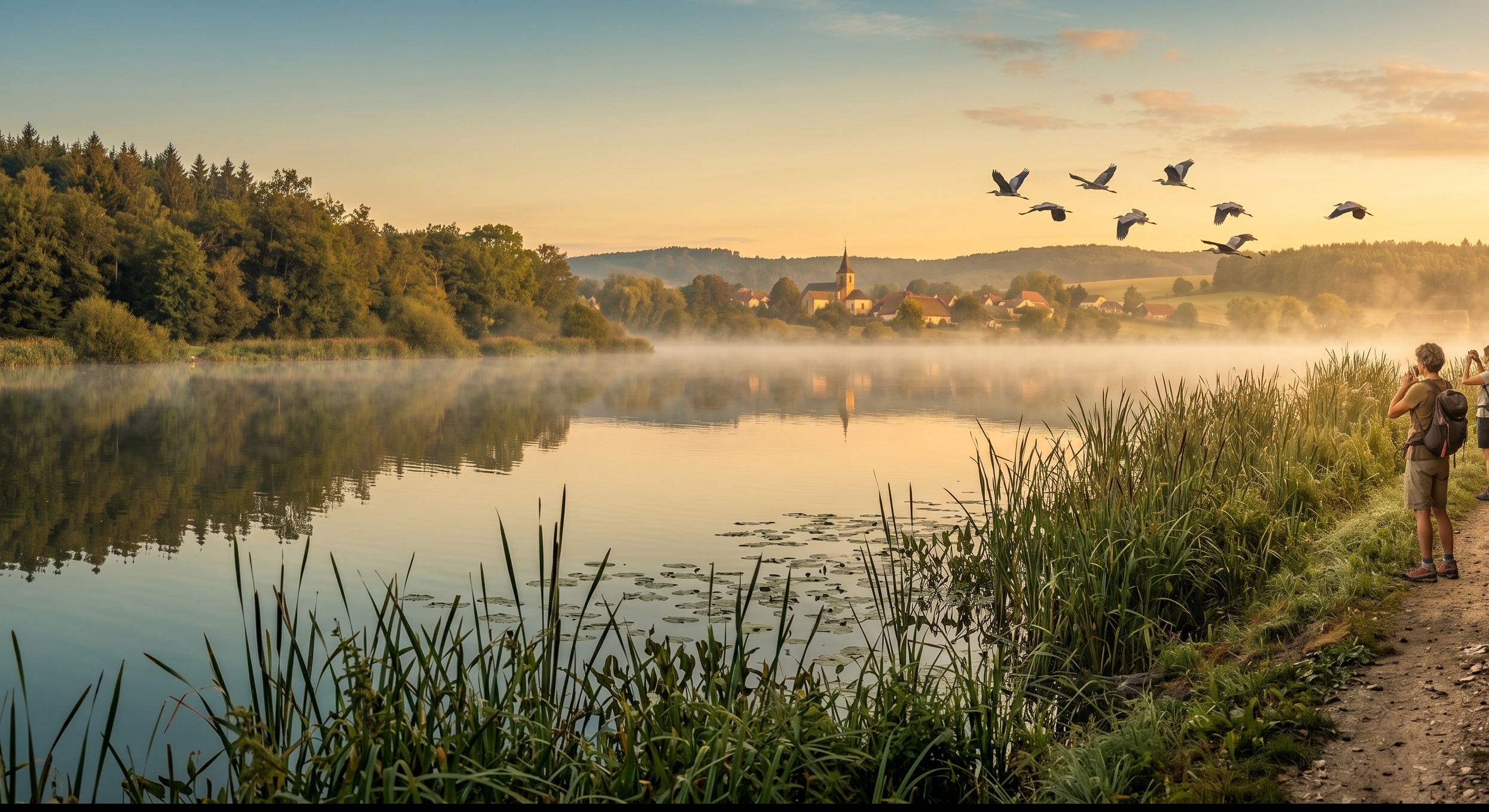
Randonnées & sentiers
Des circuits pédestres balisés parcourent les rives de l'étang et les forêts environnantes. Le sentier "Rives en rêves" (1,5 km) et le circuit "De Sel et d'Eau" (18,7 km) sont les itinéraires phares du territoire.
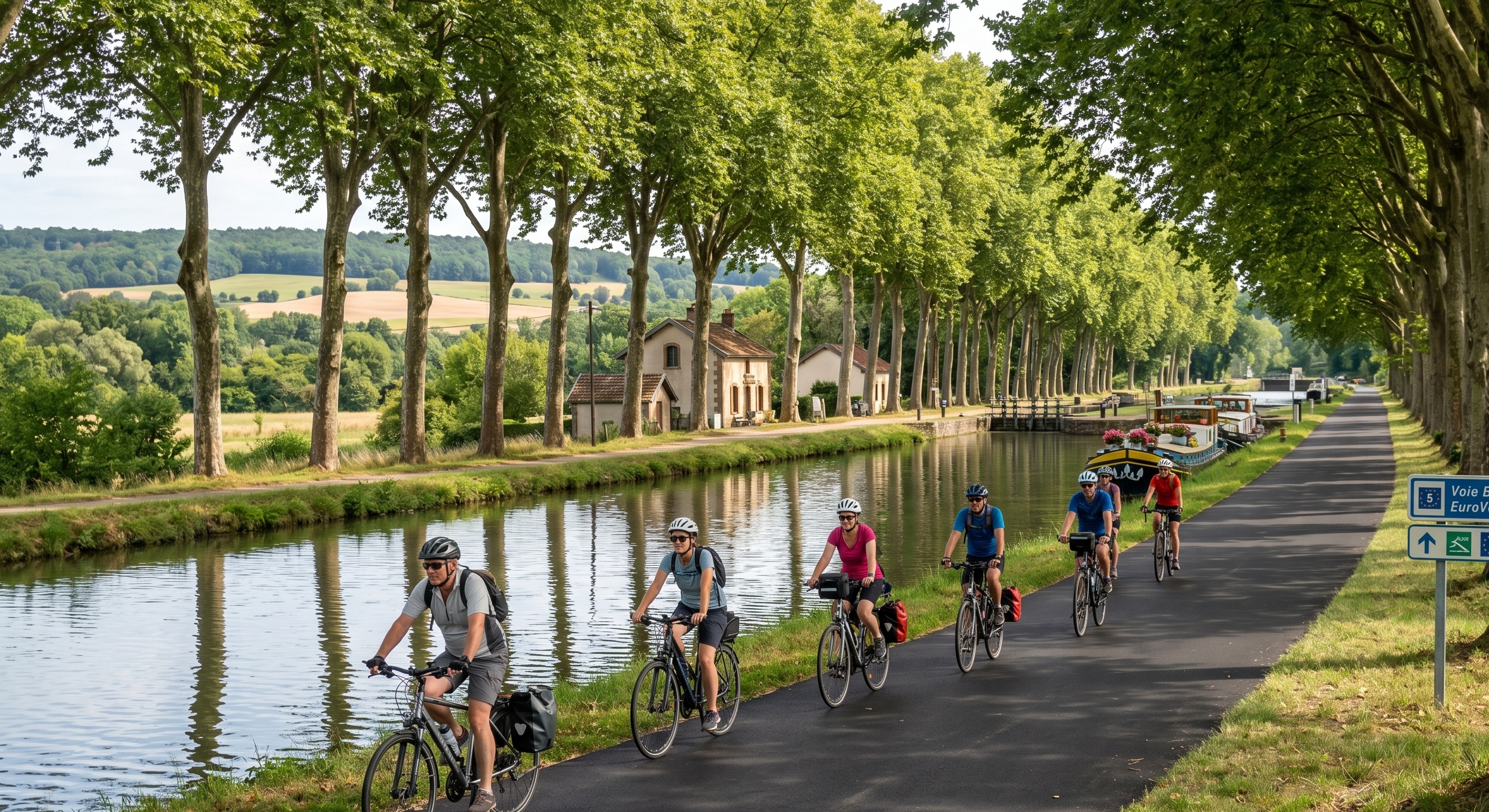
Vélo & vélorail
La voie verte du Saulnois longe le canal pour une balade paisible entre eau et nature. Le vélorail de la vallée du Spin propose une expérience originale sur d'anciennes voies ferrées au départ de Dieuze.
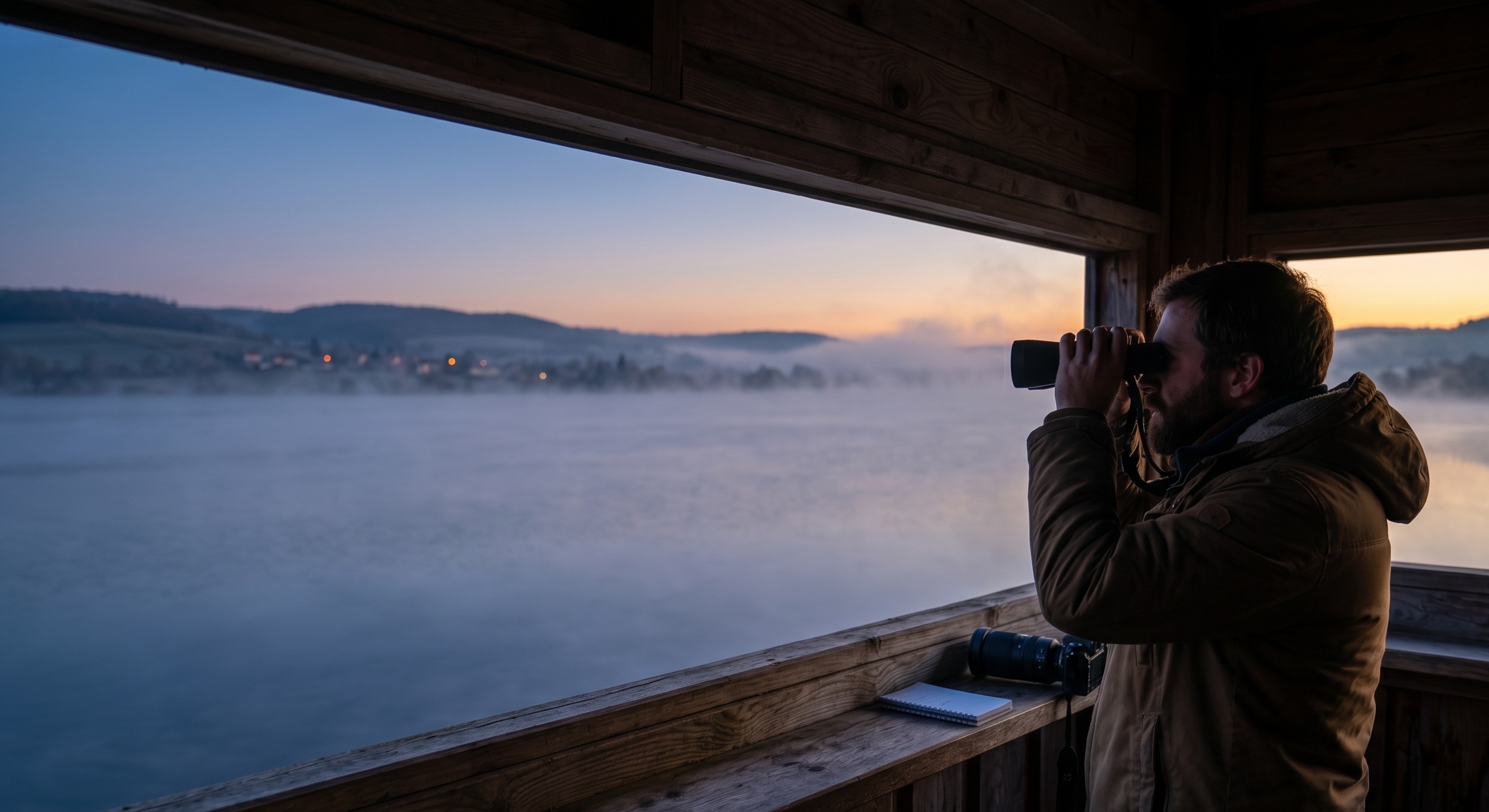
Observation des oiseaux
Deux observatoires ornithologiques et trois sentiers de découverte permettent d'observer les 240 espèces répertoriées sur le site, dont la moitié est nicheuse. Le matin reste le moment idéal pour les observations.